
How to read your opponents in poker for greater success
Understanding the Basics of Poker Psychology
In the world of poker, understanding your opponents is just as critical as mastering the game itself. The ability to read other players can give you a significant edge in any match. This involves not only observing their betting patterns, but also decoding their body language and facial expressions. For instance, a player who suddenly becomes quiet after re-raising may be feeling pressure from the situation, suggesting they may not have the strong hand they’re projecting.
Moreover, every player has a unique style that can reveal vital information. Some players are naturally aggressive, while others are more conservative. By paying attention to how they approach each hand, you can formulate strategies that exploit their tendencies. This understanding of poker psychology is a foundational skill necessary for anyone wanting to elevate their game to the next level.
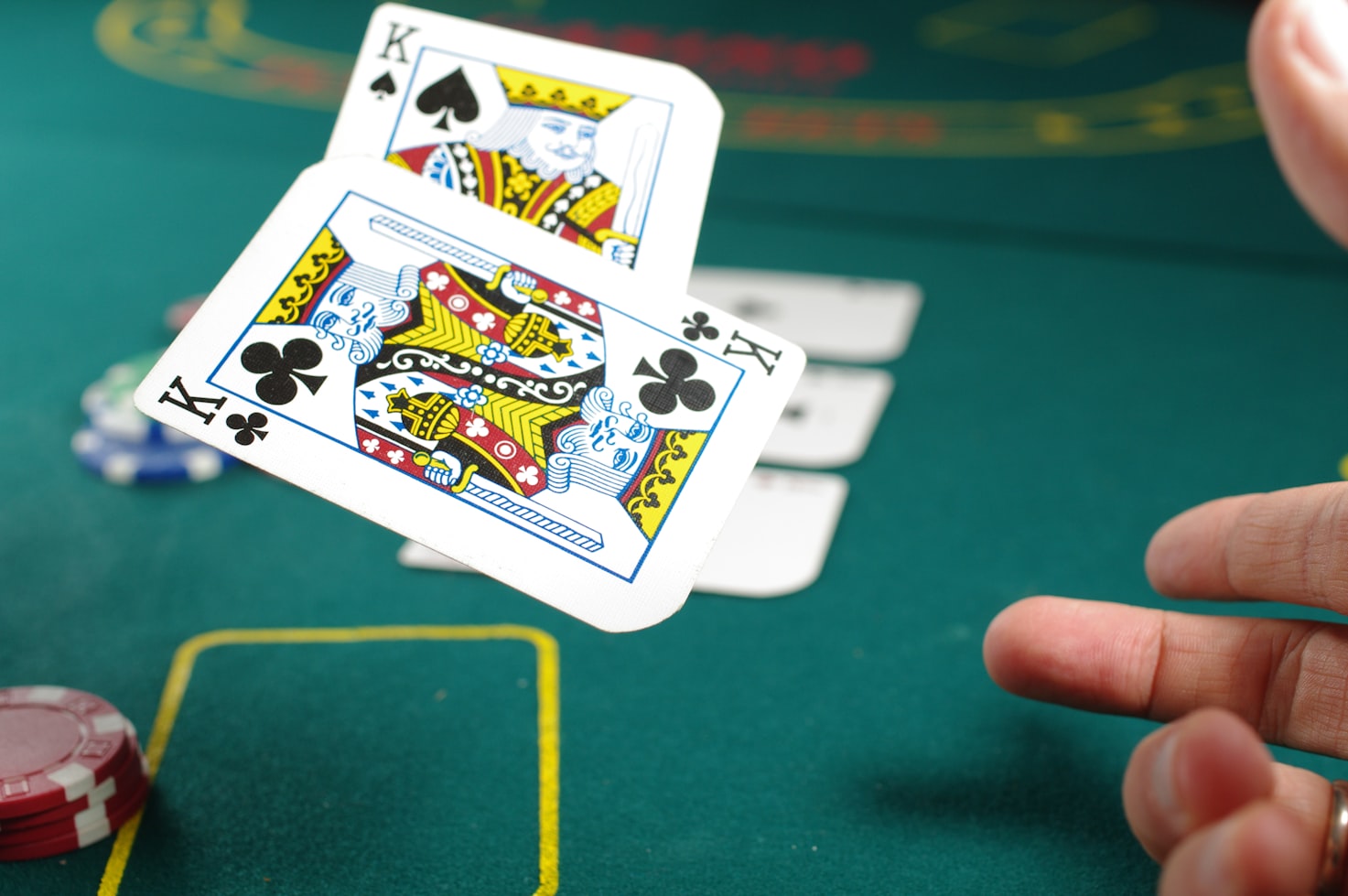
Identifying Betting Patterns
One of the clearest indicators of an opponent’s hand strength is their betting pattern throughout the game. Players often exhibit specific behaviors when they hold strong or weak hands. If a player consistently raises the pot when they have a good hand but folds easily when the cards are not in their favor, this pattern can be significant. Observing these trends over several hands can provide critical insight into their likely holdings.
For example, if a player bets aggressively on the flop but suddenly checks on the turn, it could indicate vulnerability. They may have started with strong hopes but have now acquired a weaker hand. This type of analysis can help you decide whether to continue your own play or to tighten up. Always remember, the goal is to align your understanding of their behavior with the current state of the game.
The Role of Body Language
Another fascinating aspect of reading opponents is paying attention to non-verbal cues. A player’s body language can reveal a lot about their confidence level during a hand. Subtle gestures, such as fidgeting with chips or avoiding eye contact, might suggest anxiety or uncertainty. Conversely, a player who sits back in their chair with relaxed body language may feel entirely confident in the hand they’re playing.
Furthermore, the way players react when they receive their cards can be telling too. If someone appears particularly excited or takes longer than usual to make a decision, it can give you clues about their holdings. Gathering this type of information requires keen observation skills and practice, but mastering it can enhance your ability to read your opponents dramatically.
The Importance of Timing
Timing plays a crucial role in poker and can often speak volumes about what your opponent may be holding. Consider how long a player takes to make decisions. A quick call might suggest a strong hand, while a longer pause could indicate uncertainty or a bluff. This timing-based strategy often ties in with betting patterns as well; if a player takes a long time before raising, this may imply hesitation about the strength of their own cards.
Being aware of how your own timing affects others is equally important. If you take longer to make decisions, it may lead your opponents to infer that you’re weighing your options carefully, which could influence their subsequent actions. Understanding and managing this timeline is a key element in applying psychological pressure on your opponents.
Visit the Best Online Resources
If you’re eager to hone your skills and delve deeper into the world of poker, exploring online resources can be immensely beneficial. Websites like best online pokies australia offer valuable tips and strategies that explore the nuances of reading opponents effectively. These platforms can provide insights from experienced players that will enhance your understanding of the game beyond just practical experiences.
Ultimately, mastery in reading opponents comes from a blend of knowledge, intuition, and practice. The more you play and analyze your interactions and those of others, the better you will become at interpreting the “tell” signs in poker. These skills will not only help you in your current games but will also build a strong foundation for your future as a poker player.