
The Psychological Triggers of Gambling
The psychology of gambling is complex and deeply rooted in human behavior. Many players are driven by the thrill of the game, often finding themselves in a heightened state of excitement and anticipation when they step into a casino. This is primarily due to the brain’s reward system, which releases dopamine, a neurotransmitter associated with pleasure, every time a player wins or even when they simply anticipate a win. This chemical reaction can create an addictive cycle, encouraging players to keep gambling in hopes of experiencing that euphoric feeling again.
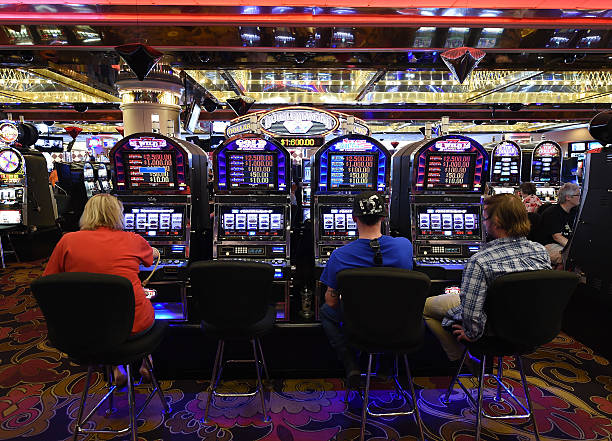
Moreover, the environment of a casino is meticulously designed to enhance this psychological effect. From the bright lights to the engaging sounds of slot machines, every aspect of a casino is engineered to captivate attention and stimulate desire. Understanding these triggers can shed light on why many gamblers continue to play, sometimes leading to detrimental financial and emotional consequences. how to bet on the super bowl
Cognitive Biases and Decision-Making
Additionally, the illusion of control is another cognitive bias at play in gambling psychology. Many players feel they can influence the outcome of a game through their actions, such as choosing specific numbers or strategies. This belief, while false, can enhance the enjoyment of the game and perpetuate the cycle of gambling, as players feel more engaged and invested in the process.
The Role of Emotions in Gambling
Emotions play a pivotal role in the gambling experience. Joy, frustration, excitement, and even despair can greatly influence a player’s decision-making process. For instance, individuals often chase losses, feeling compelled to recoup their money after a setback. This emotional rollercoaster can cloud judgment, leading to decisions that are more reactionary than strategic. In many cases, the more emotionally invested a player becomes, the less likely they are to stick to a predetermined strategy or budget.
Furthermore, casinos capitalize on these emotional highs and lows. They often offer complimentary drinks or rewards programs that cater to a player’s emotional investment in the game. By understanding the emotional connection people have with gambling, one can better grasp why they may continue to pursue winning despite the odds stacked against them.
The Impact of Social Factors on Gambling Behavior
Social factors are crucial in shaping an individual’s gambling habits. Many people are drawn to casinos due to the social environment they provide. The thrill of winning is often amplified when shared with friends or peers, leading to group dynamics that can encourage further gambling. This social aspect can create a sense of community among players, making it easier to overlook the risks associated with gambling.
Additionally, peer pressure can also significantly influence gambling behavior. Players may feel compelled to bet more or stay longer due to the actions of those around them. This social contagion can undermine personal responsibility and lead to reckless decisions, as individuals seek to conform to group expectations rather than making informed choices based on their financial situation.
The Importance of Responsible Gambling Awareness
With the allure of casinos and the psychological factors at play, it is essential for players to cultivate an awareness of responsible gambling practices. Understanding the psychological triggers, cognitive biases, and emotional influences can empower individuals to make more informed decisions while enjoying their gaming experiences. Responsible gambling isn’t just about limiting the financial aspect; it’s also about recognizing one’s emotional state and social influences that could lead to problematic behaviors.
As some individuals may struggle with gambling addiction, various resources are available to promote safer gambling habits. Many casinos provide information on responsible gaming, helping players to set limits and recognize when gambling is no longer fun. By prioritizing awareness and self-control, players can enhance their gaming experiences while protecting their mental well-being.