
The Allure of Risk and Uncertainty
The psychology of casino games is deeply intertwined with the thrill of risk and uncertainty. Players are often drawn to situations where the outcomes are unpredictable, leading to a heightened sense of excitement. This unpredictability creates a stimulating environment that can lead players to engage in behavior they might not typically exhibit in daily life. The adrenaline rush from placing a bet and waiting for the outcome can be intoxicating, making the act of gambling not just a game, but an emotional rollercoaster, much like the experience of playing pokies online australia that offers continuous entertainment. This engaging thrill is a significant motivation behind why individuals find themselves returning to casinos time and again.
Furthermore, the concept of risk is fascinating because it taps into our innate desire for reward. This is often exemplified by the idea of “just one more game” mentality. Players believe that they might be on the cusp of a big win, prompting them to continue playing despite losses. This phenomenon is fueled by cognitive biases such as the gambler’s fallacy, where individuals mistakenly believe that past events influence future outcomes. Such psychological factors make the casino environment compelling and contribute to its allure, making it difficult for players to resist the temptation to play on, even when faced with significant losses.
Additionally, the ambiance of casinos plays a crucial role in shaping the psychological experience of players. Bright lights, sounds of coins clinking, and the celebratory atmosphere contribute to a euphoric sense of community among players. This social aspect provides a comforting distraction from the stressors of everyday life and creates a sense of belonging. In this context, casinos are not merely places for gambling; they become venues where excitement, social interaction, and personal challenge converge, further enhancing the emotional stakes of the games being played.
The Role of Cognitive Biases in Gambling
Cognitive biases have a significant impact on how players perceive their chances of winning. Confirmation bias, for example, leads individuals to favor information that confirms their existing beliefs while ignoring contradictory evidence. A player might persist in a gambling strategy that has not proven successful simply because they remember their few successful bets more vividly. This selective recall reinforces the notion that they are on a winning streak, perpetuating their engagement in the game. Such biases can blind players to the reality of their gambling habits, leading to increasingly risky behavior.
Another common bias is the illusion of control, where players believe they can influence the outcome of games that are fundamentally based on chance. This psychological phenomenon is often observed in games like roulette or slots, where players might think that their decisions or strategies can sway the odds in their favor. Such beliefs can lead to a cycle of repeated gambling, as players become convinced that their actions will lead to a win, despite the random nature of these games. This false sense of control can be particularly dangerous, as it can result in significant financial losses over time.

Moreover, the framing effect influences players’ decisions by presenting information in a way that leads to specific judgments. For instance, the way a betting opportunity is described can alter a player’s perception of potential loss or gain, impacting their willingness to take risks. By manipulating how choices are presented, casinos can subtly guide players toward higher-stakes bets, enhancing the overall psychological engagement with the games. Understanding these cognitive biases helps illuminate why players often make irrational choices, despite knowing the odds are not in their favor.
Emotional Dynamics During Gameplay
Emotions play a pivotal role in the gambling experience, shaping how individuals engage with casino games. The high-stakes nature of gambling often leads to intense emotional responses, ranging from exhilaration when winning to frustration when losing. This emotional volatility can create an addictive cycle, as players will often chase the high of a win, leading to risky behavior in hopes of recapturing that rush. Understanding this emotional rollercoaster can provide insight into why some individuals become compulsive gamblers, as the thrill of winning can overshadow the reality of potential losses.
The concept of loss aversion is also critical in understanding gambling behavior. Research shows that individuals are more likely to react strongly to losses than to equivalent gains, which can lead to chasing losses. For example, after a significant loss, a player may feel compelled to bet even more in an attempt to recover their previous losses, often leading to even greater financial setbacks. This emotional response can create a destructive loop, where the anticipation of winning overshadows the harsh reality of loss, making it difficult for players to step away from the gaming table.
In addition to loss aversion, the excitement of potential wins can lead to a phenomenon known as “near misses.” When players come close to winning, they experience a rush of excitement, which can encourage continued play even in the face of failure. This phenomenon is particularly effective in slot machines, where players may feel that they were “so close” to hitting the jackpot, prompting them to play again and again. The interplay of these emotions significantly contributes to the overall psychological experience of gambling, creating a cycle that can be hard to break.
The Impact of Environment and Design
The environment in which gambling occurs is meticulously designed to maximize psychological engagement. Casinos utilize a variety of sensory stimuli to influence player behavior. The use of colors, lighting, and sound can create an atmosphere that feels exhilarating and welcoming. For instance, bright colors and engaging sounds are strategically selected to heighten excitement and encourage players to stay longer. This design approach is critical in making gambling a more immersive experience, as it enhances the emotional highs and lows that players experience during their time in the casino.
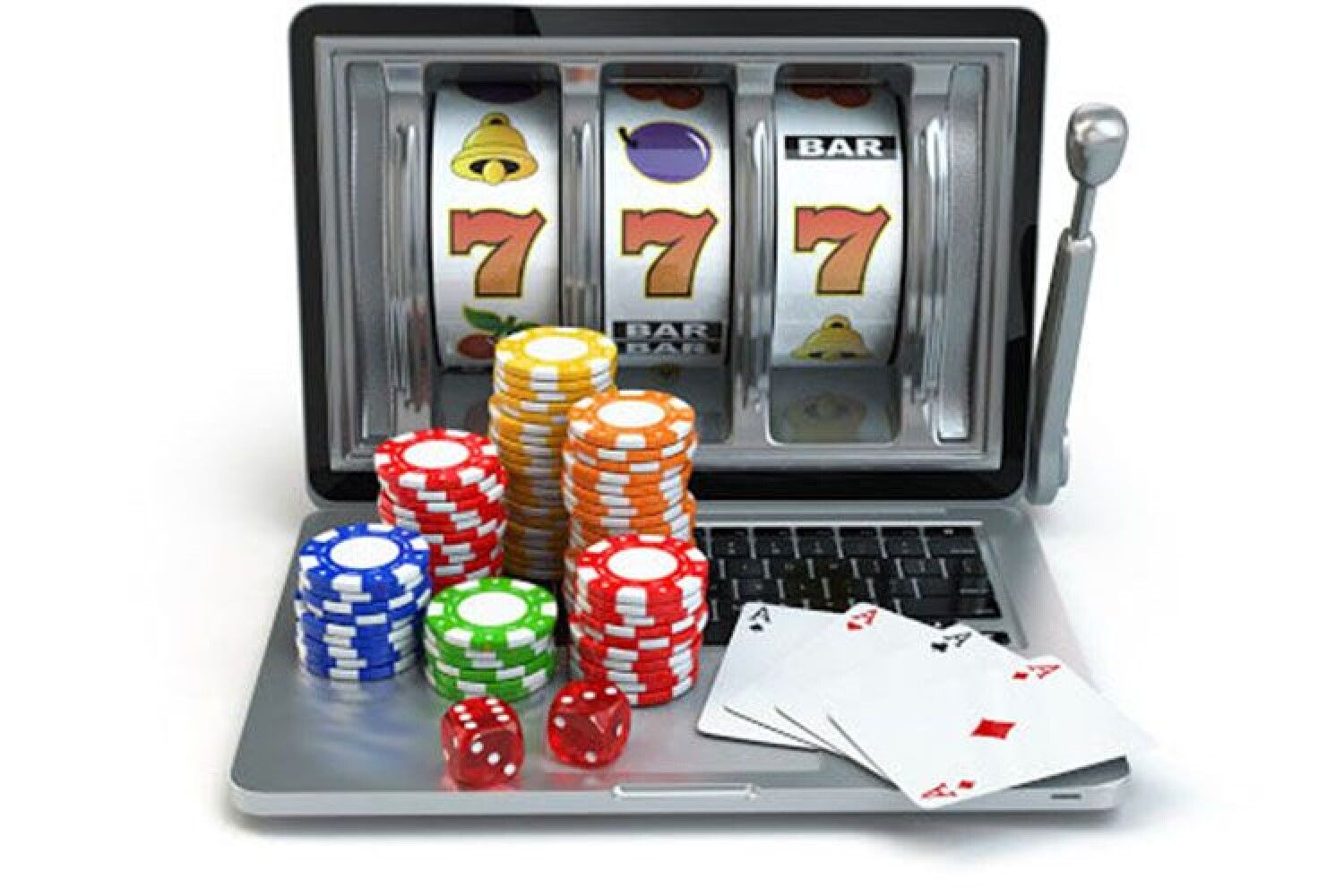
Moreover, the layout of a casino is often crafted to increase foot traffic. Slot machines might be placed in clusters, making them more accessible and enticing, while table games are positioned to be in the line of sight, drawing players into the action. The absence of clocks and windows encourages players to lose track of time, further immersing them in the gaming experience. This careful orchestration of physical space amplifies the psychological dimensions of gambling, enticing players to engage deeply and often, sometimes to their detriment.
Additionally, the concept of “losses disguised as wins” is prevalent in casino design, particularly in electronic gaming machines. When players receive a small payout after a series of losses, it generates a feeling of achievement, even if the payout is less than their initial bet. This game mechanic enhances the overall gambling experience, making players feel successful and encouraging them to continue playing despite their losses. The environment is thus a key player in influencing the psychological aspects of gambling, further embedding the players in a cycle of risk and reward.
Discover More About Casino Psychology
For those interested in delving deeper into the intriguing world of casino psychology, there are numerous resources available. Various studies and expert analyses highlight how psychological principles are intricately woven into casino operations, enhancing the gambling experience. Websites dedicated to gambling psychology offer insights into the latest research, trends, and behavioral studies, allowing players to understand their motivations and actions better. These resources can serve as valuable tools for players looking to navigate the complexities of their gambling habits.
Moreover, engaging with articles, books, and discussion forums can provide additional perspectives on how psychological factors influence not only individual behavior but also broader gambling trends. Understanding the psychology behind these games can empower players to make more informed choices, enhancing their gaming experience while fostering a healthier relationship with gambling. This knowledge can be crucial in helping players maintain control over their gambling activities.
Exploring the psychological dimensions of casino games can also lead to better strategies for responsible gaming. By recognizing the emotional and cognitive influences at play, players can gain valuable insights into their gambling habits. This self-awareness is crucial in promoting a balanced and enjoyable approach to gaming, ensuring that the thrill of gambling remains a fun activity rather than a destructive addiction. Ultimately, understanding the psychological aspects of casino games can lead to a more enriching and responsible gaming experience.